
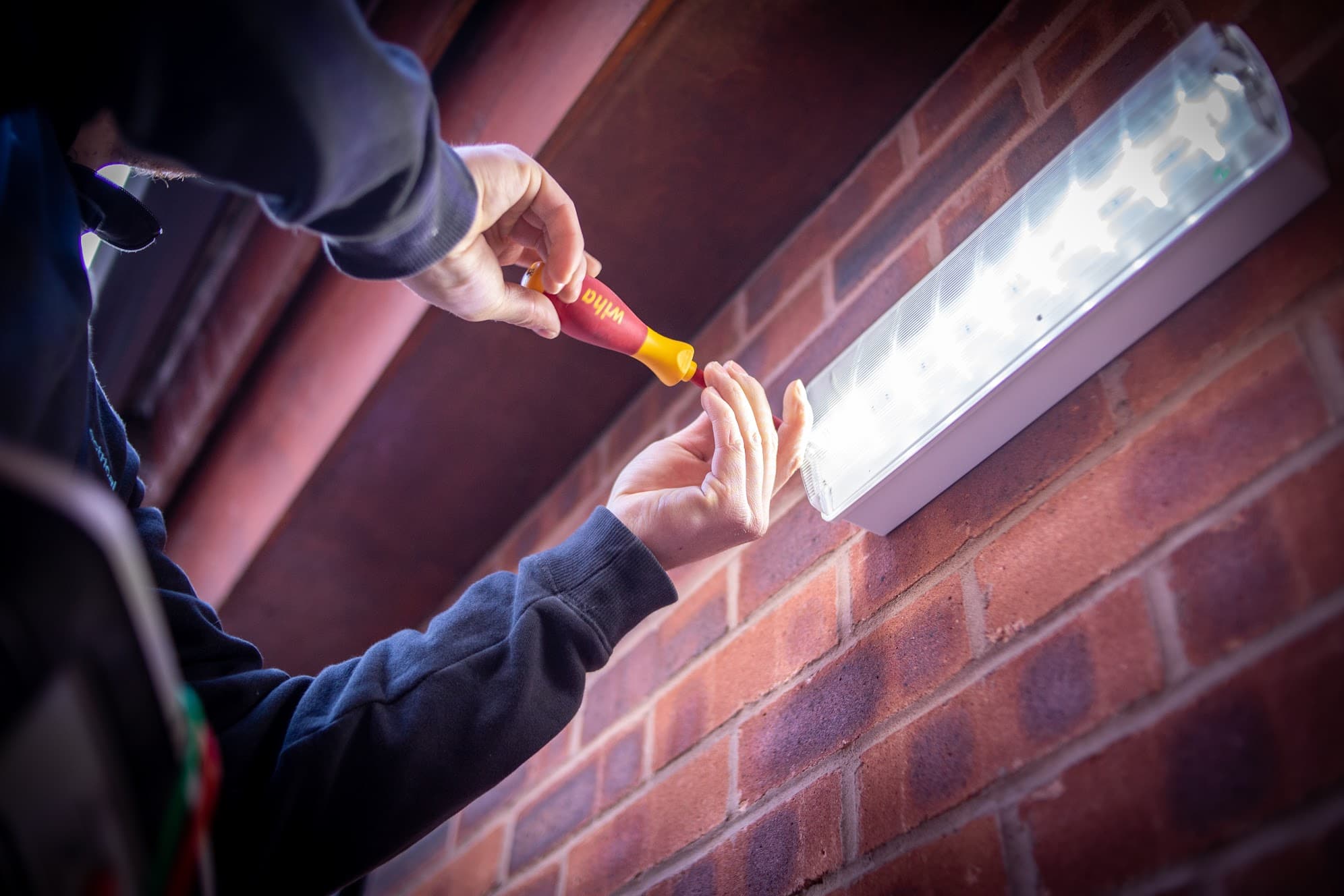
- C1 – Danger present: needs immediate attention
- C2 – Potentially dangerous: remedial action required; makes the EICR unsatisfactory
- FI – Further investigation required without delay: also makes the EICR unsatisfactory
- C3 – Improvement recommended: doesn't make an EICR unsatisfactory on its own
- Several observations can relate to a single underlying issue — the number of lines on a report isn't the same as the number of jobs
What do C1, C2, C3 and FI mean on an EICR?
There are four classifications you're likely to see within the observations on an EICR: C1 – Danger present, C2 – Potentially dangerous, C3 – Improvement recommended, and FI – Further investigation required without delay.
If we're looking through an EICR for a client, it's the C1s, C2s and FIs we'll pay particular attention to first. C3s still matter, but they're different in that they don't make an EICR unsatisfactory on their own.
C1 – Danger present
A C1 is the most serious classification. It means the inspector has found something where danger is present at the time of inspection.
These are the observations that need immediate attention. Depending on what's been found, the inspector may already have taken action to make the situation safe — for example by isolating the affected part of the installation.
If there's a C1 on a report, that's where we'd start. But even with several C1 or C2 observations, don't automatically assume every line represents a completely separate job. You might have several observations that all relate to one particular part of the installation, and one remedial task could resolve a number of them at the same time. Twenty observations doesn't necessarily mean twenty individual jobs — it depends on what the inspector has actually found.
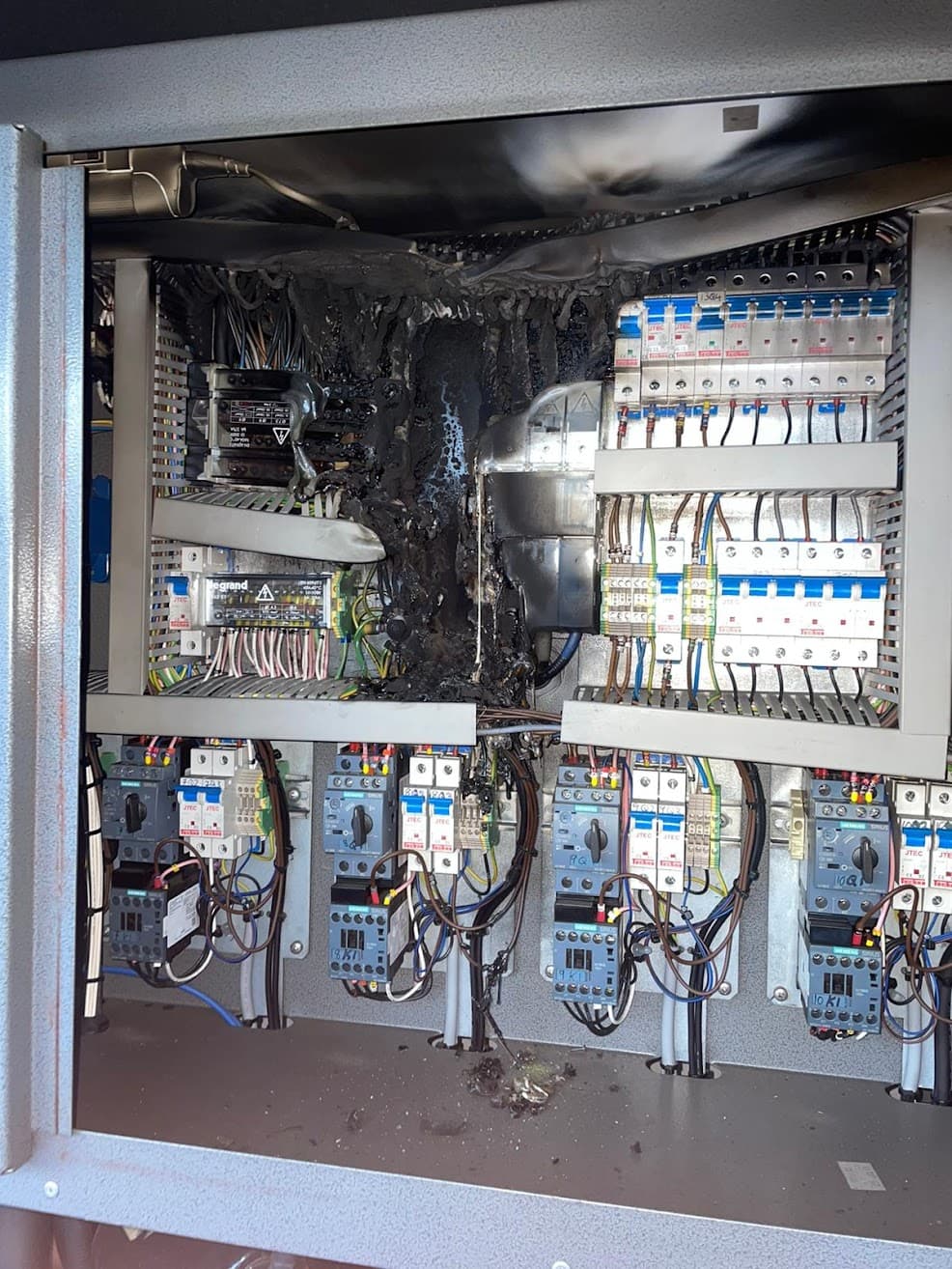
C2 – Potentially dangerous
A C2 means the inspector hasn't identified an immediate danger at the time of inspection, but the condition could become dangerous. C2 observations need remedial action and will result in the EICR being assessed as unsatisfactory.
The description of the observation matters here too — what the defect is, where it is and what needs to be done to rectify it. That's where the quality of the EICR itself starts to become important.
FI – Further investigation
FI means exactly what it sounds like: further investigation is required without delay. The inspector has identified something they haven't been able to reach a definitive conclusion on during the EICR.
That doesn't automatically tell us what remedial work is required. We need to investigate the issue first, establish what's causing it, and then determine what — if anything — needs rectifying. An FI will also result in an unsatisfactory EICR.
C3 – Improvement recommended
C3s are where clients can sometimes become unnecessarily concerned. A C3 is an improvement recommendation — it doesn't carry the same level of risk as a C1 or C2, and C3 observations on their own don't make an EICR unsatisfactory. You can have a satisfactory EICR that still contains a fairly substantial list of C3s.
Electrical regulations and best practice develop over time, and existing installations aren't automatically unsafe simply because they don't meet every requirement we'd apply if we were installing that same system today.
Whether we recommend completing C3 works is case by case. Some clients want everything on the report addressed while we're carrying out the other remedials; others prefer to concentrate on the items affecting the satisfactory status of the EICR. We'll explain what's been identified and let the client make an informed decision.
What makes an EICR unsatisfactory?
In short: any C1, C2 or FI observation makes the assessment unsatisfactory. C3s on their own don't — a report can carry a long list of C3 recommendations and still come back satisfactory overall.
That's the reason we start with the classifications rather than the observation count. It's the C1s, C2s and FIs that determine whether the EICR is unsatisfactory, and therefore what needs addressing before it can be brought back to satisfactory.
Can electricians disagree about EICR codes?
Yes, and this is worth understanding. An EICR isn't produced by putting test results into a computer and having it automatically decide whether something is a C1, C2 or C3 — there's an element of professional judgement involved.
There are regulations, industry guidance and best-practice documents that competent inspectors use when determining appropriate classifications. However, two inspectors can still take a slightly different view on how a particular observation should be coded, and we see differences in interpretation across the industry, including between guidance and approaches associated with different accreditation and industry bodies.
That doesn't mean EICR coding is arbitrary. The more serious and clear-cut an electrical safety issue is, the less room there tends to be for disagreement — it's usually the less straightforward situations where professional judgement becomes more important. When we're reviewing another contractor's EICR, we consider the observations they've recorded alongside the information available within the rest of the report.
“Can you quote the remedials from this EICR?”
We get this request a lot: a client sends us an EICR carried out by another contractor and asks for a price to sort everything out. Sometimes we can quote directly from the report. Other times, we need to visit the site first — and that comes down largely to the quality and level of detail in the original report.
For example, if an observation simply says “damaged socket” without recording where the socket is, what type it is or what damage has been found, there's no sensible way to price that remotely. Multiply that across a large commercial installation and the problem becomes clear.
That's why, when we're pricing remedial works from somebody else's EICR, we may ask to visit the site before providing a quotation. We're not trying to make the process difficult — we'd rather understand the installation properly and provide an accurate quotation than guess from incomplete information and potentially get it wrong.
How we look at an EICR when a client sends one to us
The first place we'll normally go is the observations: what's been coded, how serious the observations are, and whether we're dealing with C1s, C2s, FIs or mainly C3s.
Then we'll look at the rest of the report. You can often get a reasonable feel for the quality of an EICR from how thoroughly the certificate has been completed — are the test results there and do they make sense, are the observations detailed enough to identify the defects, and are locations clearly recorded.
If information is missing or doesn't make sense, we may need to establish more before we can advise the client properly — particularly important when we weren't the contractor who carried out the original inspection.
So, what should you actually do after an unsatisfactory EICR?
Don't panic, and don't judge the report purely by its length. Start with the classifications: C1s need immediate attention. Then look at the C2s and FIs and establish what remedial work or further investigation is required. After that, look at the C3 recommendations and decide whether it makes sense to address them at the same time or incorporate them into future planned works.
Remember that several observations may relate to the same underlying issue, so the number of lines on the report doesn't necessarily correspond to the amount of work required. The important thing is understanding what the report is actually telling you.
If you've received an EICR and aren't sure what to make of it, we're happy to take a look. We regularly work with commercial clients who have had an EICR completed and need help understanding or completing the remedial works — we'll review the report, explain what the observations mean in plain English and help establish what needs doing first. Where there's enough information, we may be able to price the remedial works from the report; where there isn't, we'll explain why we need to visit the site and what we need to look at.