
- We price commercial EICRs at £22 per circuit, plus £40 per distribution board
- Our minimum charge for a commercial EICR is £240 + VAT
- All prices are excluding VAT
- Remedial work is quoted separately — the EICR price covers inspection, testing and the report
- Out-of-hours working and access equipment are quoted individually, because they vary too much to put a standard figure against
- The extent of the testing and any limitations are agreed with you before we start
- A 30-circuit installation is typically a day on site, with the completed report back with you within 48 hours
The short answer: what we charge
Our commercial EICR pricing works on two figures:
- £22 per circuit
- £40 per distribution board
With a minimum charge of £240 + VAT. All figures on this page exclude VAT.
That is the whole rate card. There is no separate survey fee, no charge for the report, and no per-page cost for the photographs.
What that looks like on a real building
The reason we price per circuit rather than per building is that “a small commercial unit” covers everything from a ten-circuit lock-up to a busy workshop with three boards and a hundred circuits. Floor area tells you surprisingly little. The circuit schedule tells you almost everything.
| Installation | Boards | Circuits | Price |
|---|---|---|---|
| Small unit or plant room sub-board | 1 | 6 | £240 (minimum applies) |
| Small commercial unit | 1 | 10 | £260 |
| Small office or retail unit | 1 | 12 | £304 |
| Mid-size office or light industrial | 1 | 30 | £700 |
| Larger industrial site | 3 | 95 | £2,210 |
If you know roughly how many boards and circuits you have, you can work out your own figure from the two rates above before you ever speak to us. If you do not know, that is fine — most facilities managers do not have a circuit count to hand, and we can establish it.
Why there's a minimum charge
Small boards are the exception to the arithmetic above. A six-way board is a modest job on paper — £172 if you simply run it through the two rates — but it still needs an engineer on site, isolation arranged with whoever occupies the building, the full test sequence worked through, and a report written, photographed and checked before it goes out.
None of that scales down with the circuit count. Below about ten circuits the per-circuit calculation stops covering the fixed cost of attending and producing a proper report, which is what the £240 minimum is there for. On a small board, most of what you are paying for is the attendance and the report rather than the testing itself.
Why “from £260” and “£700” can be the same price
This is the part worth understanding, because it is where most commercial EICR comparisons go wrong.
You will see contractors advertising a commercial EICR “from £260”. That is a real price — but it is an entry price for a small installation. At our rates, £260 is exactly a ten-circuit job — one distribution board, ten ways. If your building has thirty circuits across one board, no contractor is inspecting and testing it for £260, and a quotation that says otherwise is either not covering the whole installation or has not established its size yet.
So when you are comparing EICR quotations, the useful question is not “what is the total?” It is:
- How many circuits has each contractor allowed for?
- How many distribution boards?
- Is the whole installation included, or a sample of it?
- What limitations have been recorded?
Two quotations that look thousands apart often turn out to be quoting different amounts of work. We have written about this more generally in How to Compare Commercial Electrical Quotes — the same principle applies to testing as to installation work.
What the price includes
- Inspection and testing of the installation, to the extent agreed before we start
- The Electrical Installation Condition Report itself
- Observations recorded with their classification, location and a photograph
- A conversation about what the report actually means, if you want one
What it doesn't include
- Remedial work. This is quoted separately, once you have the report and have decided what you want to address. We are not going to price remedials before we know what is there.
- Out-of-hours working. If the inspection needs to happen overnight, at a weekend, or around your operating hours, we quote that individually.
- Access equipment. Scaffold towers, MEWPs and similar are quoted on the job, because requirements vary enormously between sites.
We quote those individually rather than applying a standard percentage, because a blanket uplift would be wrong in both directions — too much for a straightforward evening on a single-storey unit, nowhere near enough for a weekend shutdown on a high-bay warehouse.
Agreeing the extent and the limitations first
Every EICR has limitations. That is normal and it is provided for in the process. What matters is that they are agreed in advance and recorded on the report, rather than discovered afterwards.
Before we start, we will agree with you what is being tested, what proportion of the installation is being inspected, and anything that cannot be accessed or isolated. If a production line cannot come down, or a server room cannot be taken off supply, that is a limitation — and it needs to be on the report so that whoever reads it next knows what was and was not covered.
If a quotation you have received does not say what extent of testing has been allowed for, that is worth asking about before you compare it on price.
How long it takes, and when you get the report
A 30-circuit installation on a single board is typically a day on site. Smaller units are a few hours; a larger industrial site with several boards runs across more than one day. As with the price, it is the number of circuits and distribution boards that drives it, not the floor area — a compact workshop with three boards takes longer than a large open warehouse with one.
We return the completed report within 48 hours of finishing on site, fully checked before it goes out.
That second point is worth a moment. You will see EICRs advertised with same-day or 24-hour certificates, and for a small domestic property that is perfectly achievable. A commercial report is a different document: observations have to be written so they can be located and acted on, photographs matched to them, results checked and the classifications reviewed before the report is issued. We would rather take an extra day and send you something your next contractor can quote from than send you a fast report that generates a site visit later.
If you have a deadline — an insurance renewal, a lease event, a compliance audit — tell us at the enquiry stage and we will tell you honestly whether we can meet it.
What you're actually paying for: the report
Here is the honest bit. On price alone, we will not always be the cheapest quotation you get. The difference is in what lands on your desk afterwards.
An EICR is only as useful as the observations in it. An observation that reads “damaged socket” tells you almost nothing. You cannot locate it, you cannot price the repair, and if you send that report to another contractor for a quotation, they will have to come and find it before they can tell you what it costs — which you will pay for.
Our reports record what the defect is, where it is, what classification it has been given and what needs doing about it, with a photograph of the finding itself. Below are real examples from commercial inspections.
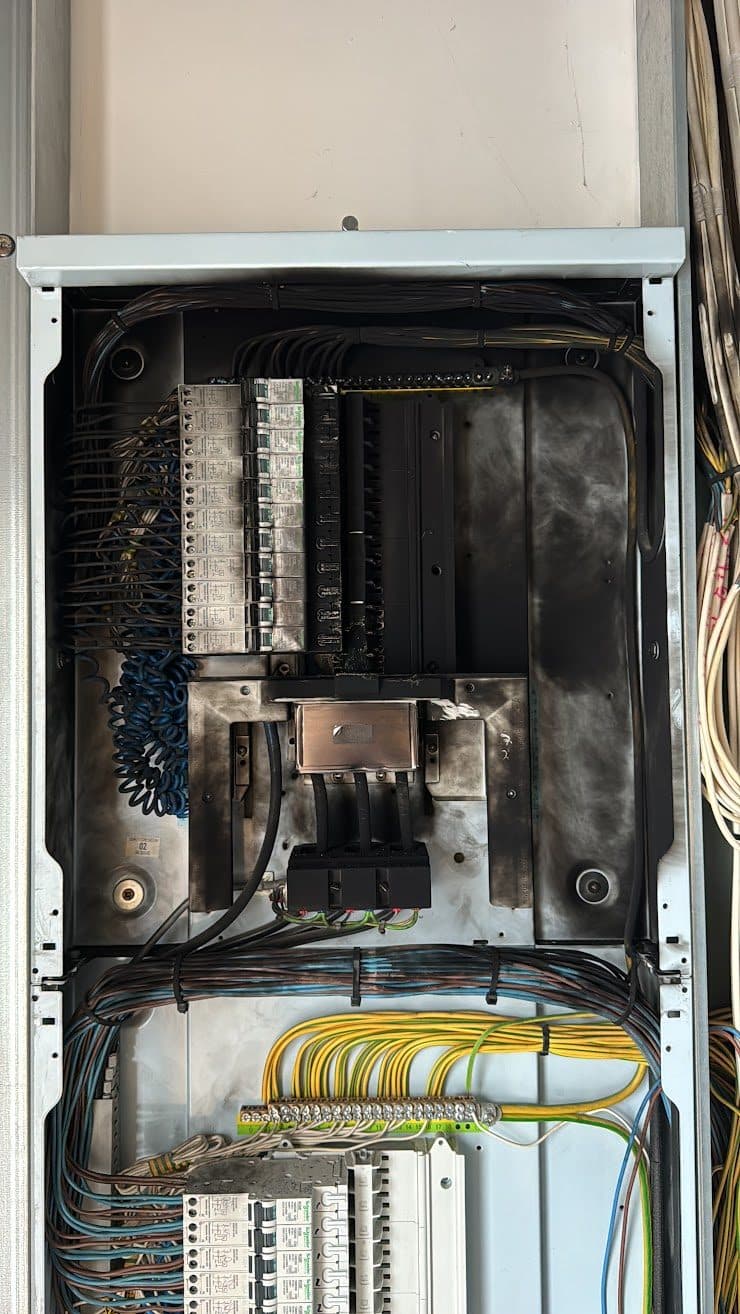
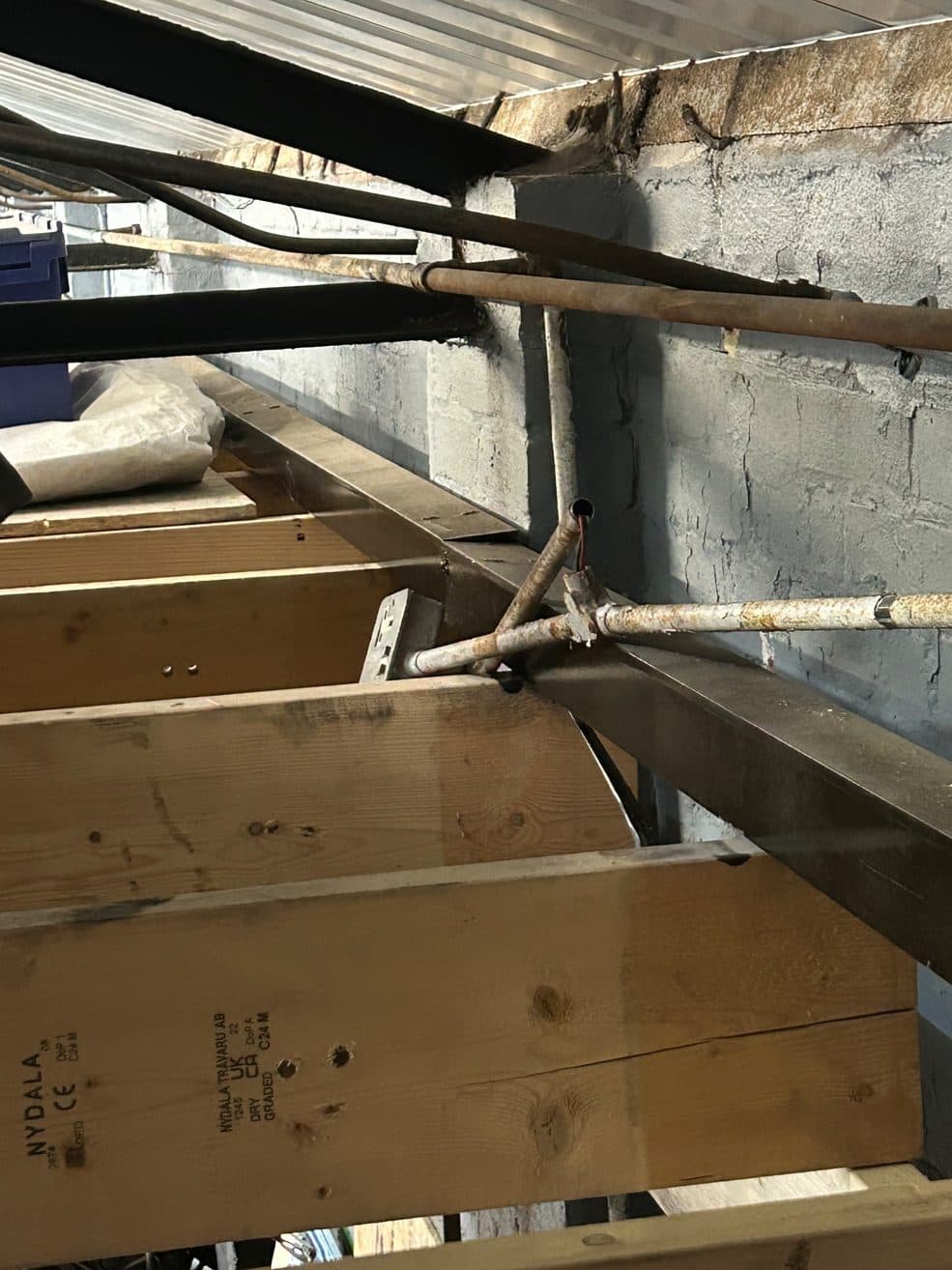
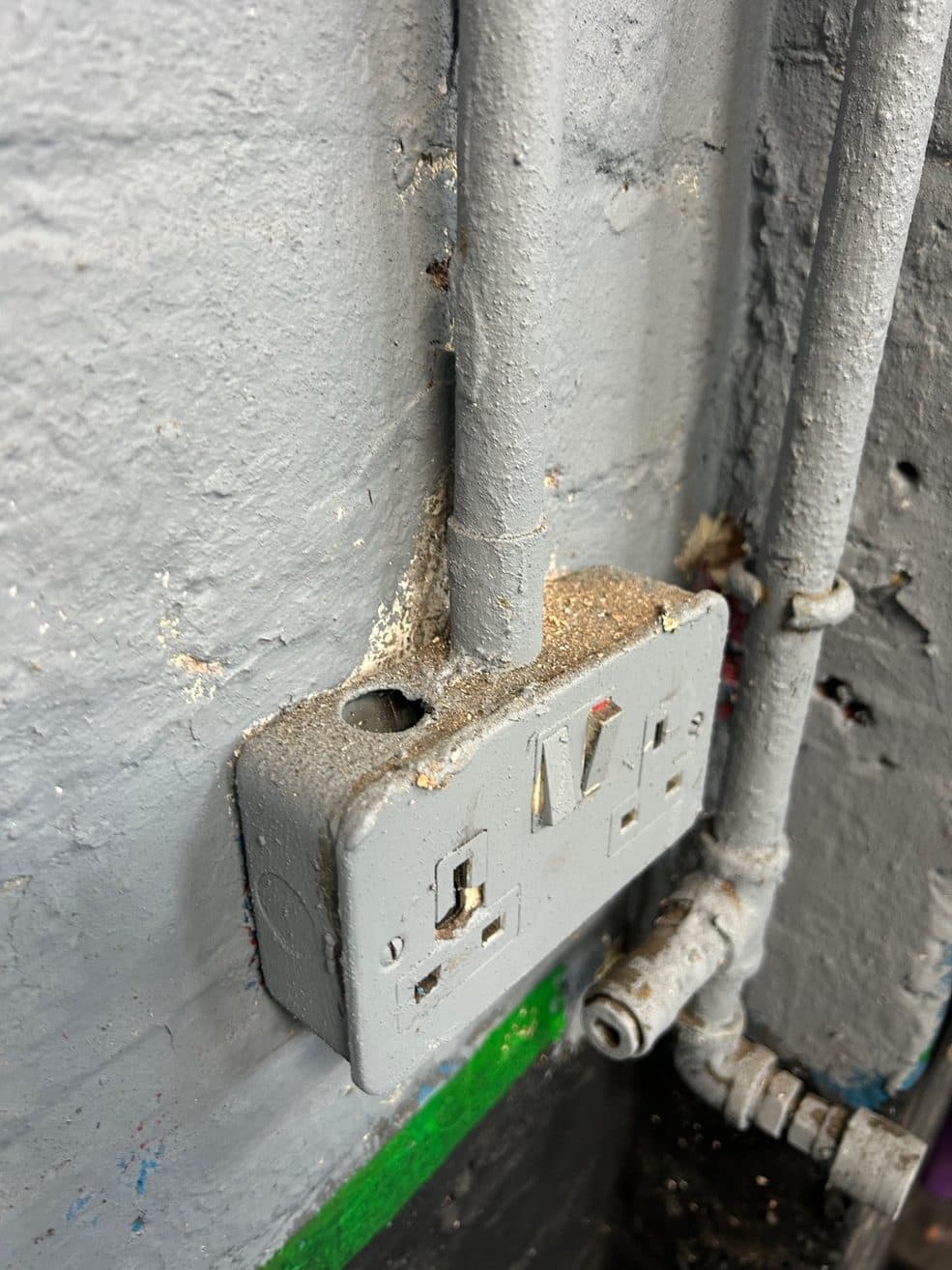
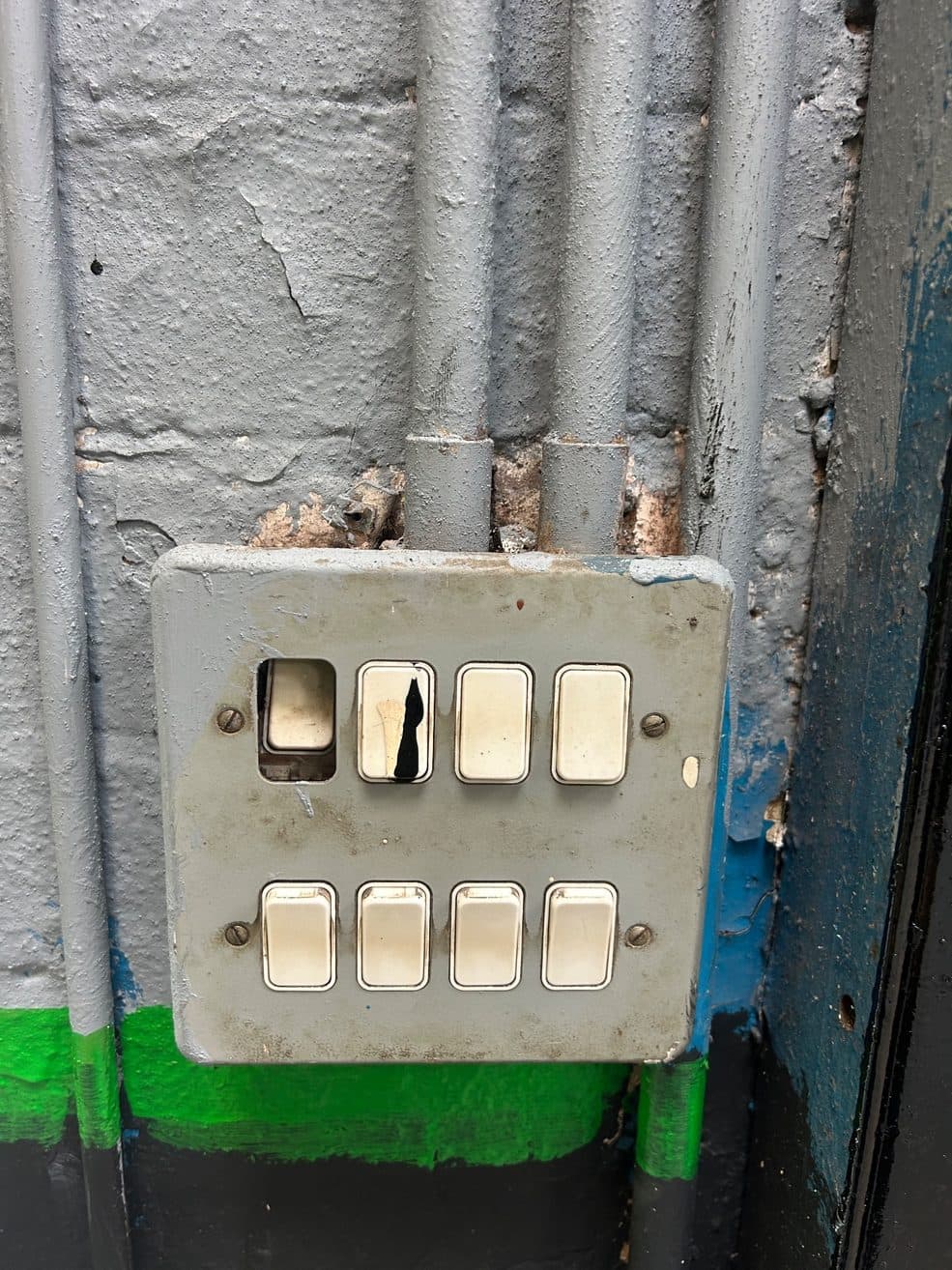
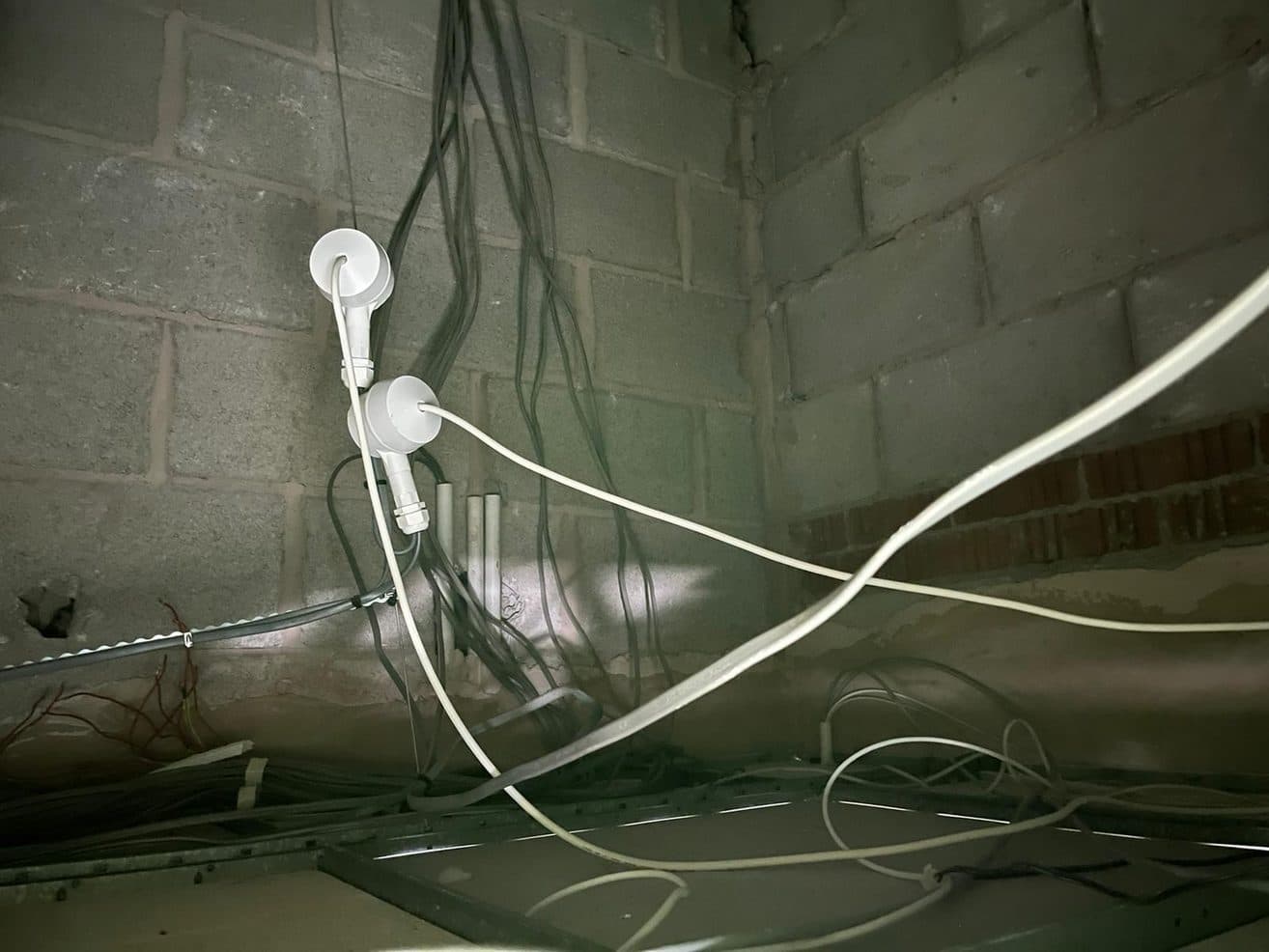
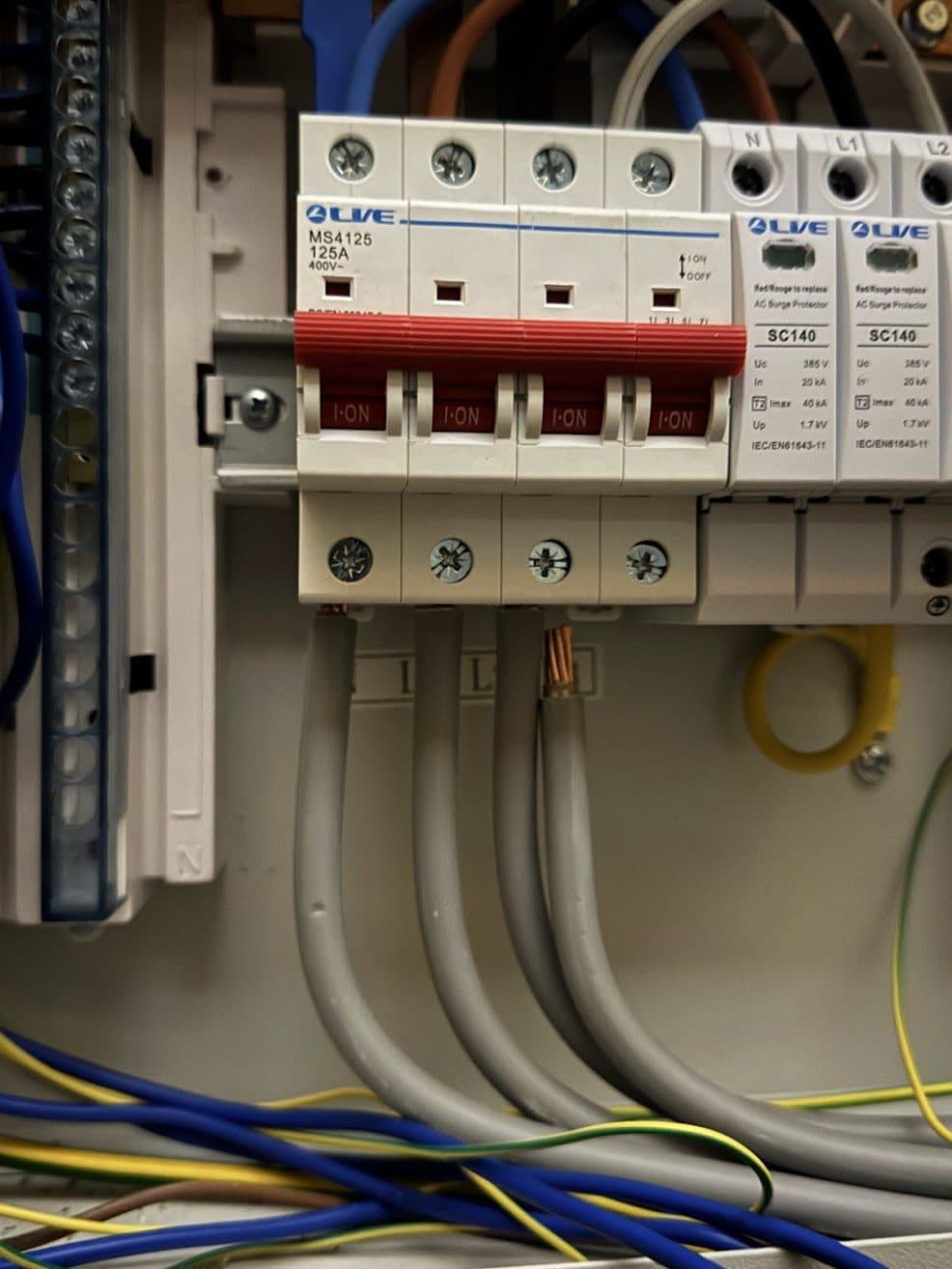
For what the classifications themselves mean, we have covered that separately in What Happens After an EICR? C1, C2, C3 and FI Explained.
How we quote
Tell us roughly how many distribution boards you have and, if you know it, the circuit count. That is usually enough for a firm price. If you do not know, tell us what the building is and what it is used for and we will work it out.
If out-of-hours access or access equipment is likely to be needed, say so at the enquiry stage — it is much easier to allow for it properly at the start than to discover it on the day.